 Cars over 40 years old don't need MOTs, but data suggests they're being kept up to scratch anyway
Eight years on from the government’s scrapping of compulsory MOT tests for older cars, a survey by classic insurer Hagerty reveals that most owners would be happy to see the introduction of a classic-specific test.
A rolling exemption for cars over 40 years old was introduced in 2018 to quite a lot of concern within the classic world but for understandable reasons. MOT tests are naturally geared towards maintaining standards in the more modern cars on the road, because those are the cars that are most common; that are driven the biggest mileages and at the highest speeds; and that are cared about the least.
Assessing older cars was sometimes difficult, with foibles that could get flagged at tests but wouldn’t constitute a genuine safety concern – which is the test’s prime purpose, after all. Detecting and raising an issue over slack in a modern car’s steering system is different from doing the same in, say, my 1970s Volkswagen Beetle. It’s not like braking system performance is the same, either. Writing one set of rules that covered everything in a test that is short and (too) cheap was difficult.
On auction right now
DEKRA-inspected bank stock, priced at the outstanding balance. No buyer's commission.

As we have reported recently, it’s not like MOT testing stations are paid sufficiently to spend hours deciding how discretionary to be.
Calls for MOT test cap to be raised from £54.85 to £95
While I’ve read a few scary stories about classic cars that have been seen out at events and found mechanically wanting, I can find no data that says classic cars are any more likely to be in accidents than they were before the 2018 test abandonment. It’s hard to say for sure, but it seems like the scheme hasn’t actively done harm.
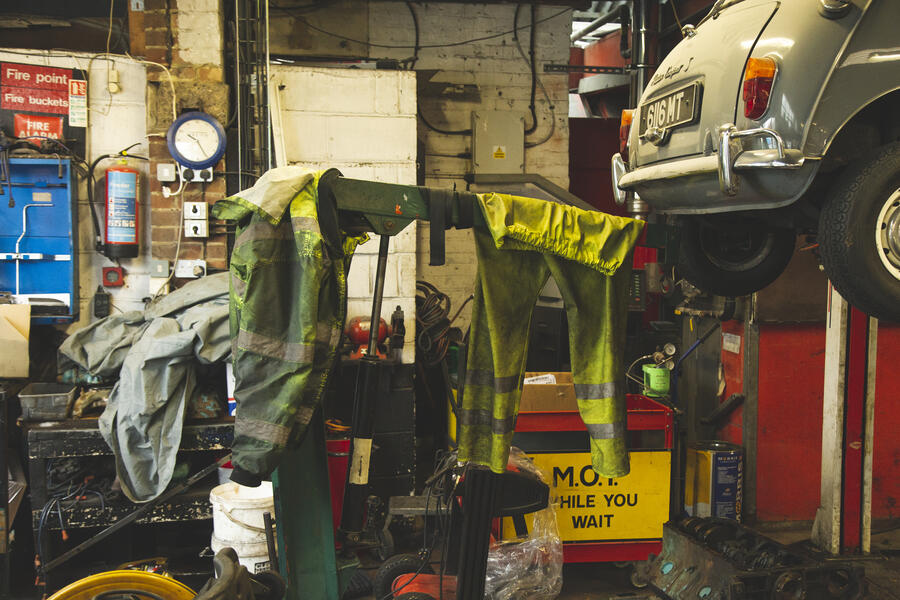
Is that good enough? It might be. I suspect it would only take a couple of badly maintained classics to be found at fault in big crashes for the prevailing attitude to change, but that hasn’t happened.
Classic car owners are less likely to be involved in crashes than other drivers, and the UK already has some of the safest roads in the world. Classic drivers, then, are among the safest of the safe.
And it’s not like they can’t have their car MOT tested voluntarily, either. The pass rate for those who do is more than 80%, which is better than the 70% rate for newer vehicles.
Even so, introducing an official test suited to classics would be supported by 64% of classic owners, says Hagerty, which asked 1200 people on its database, so not a small number – although it should be caveated that if you can be bothered to respond to a survey, there’s a bigger chance that you feel strongly about the issue at hand, so the ‘real’ number might well be lower.
A compulsory government-backed test for classics would be possible, of course. The DVSA recently undertook very understanding work on vehicle identities and inspections, but it would take a lot of time and money to tackle a problem that, on the face of it, may not exist.
Trust in classic car owners and drivers has so far been upheld and, in a world where most laws are introduced and enforced because of lowest common denominators, that’s quite pleasing.
Eight years on, it’s good that a majority still think an annual inspection and test would be a positive thing. It suggests a lack of complacency that could keep the status quo working.