
Every month, thousands of South Africans default on their vehicle finance agreements. The banks repossess those vehicles — and because a bank is not a car dealer, it needs to sell them quickly to recover the outstanding debt. That is why repossessed cars routinely sell for 30–60% below retail price. If you have ever wondered how to get one, this guide walks you through the entire process, step by step.
What exactly is a repossessed car?
When a vehicle owner falls behind on their instalments, the financing bank or credit provider takes the vehicle back — usually voluntarily through a surrender, or through a court-ordered repossession. The bank then sells the vehicle to recover the outstanding loan balance, not its market value. That gap between the loan balance and the retail price is your saving.
Repossessed vehicles in South Africa typically come from major banks and finance houses such as Absa, Standard Bank, WesBank, MFC (Nedbank), and independent asset financiers. They range from everyday hatchbacks and bakkies to SUVs and even luxury vehicles.
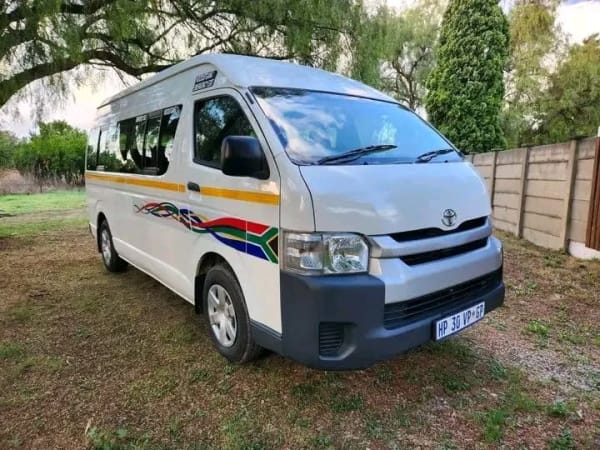
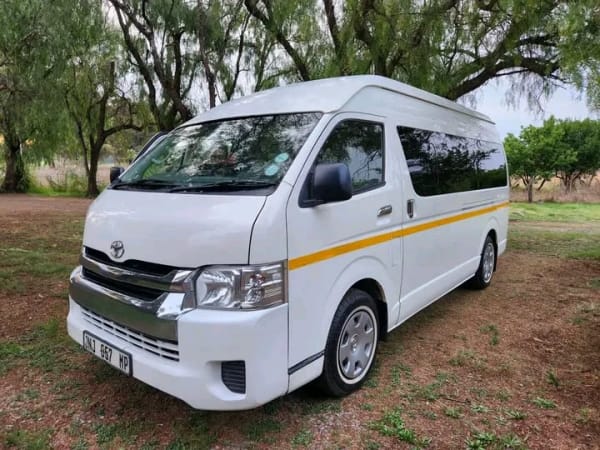
On auction right now
DEKRA-inspected bank stock, priced at the outstanding balance. No buyer's commission.

Step 1: Decide where to buy
You have three main routes:
- Bank-appointed auction houses — banks consign repossessed vehicles to auctioneers who sell them at timed or live auctions. This is the most common route and where the best volume is.
- Pre-auction purchase — some auction platforms, including Auction Hub Group's pre-auction programme, let you buy a repossessed vehicle at the bank's outstanding balance before it ever reaches the auction floor. No bidding war, fixed price.
- Bank repo lists — banks occasionally publish lists of repossessed stock for direct offers, though selection is limited and the process is slow.
Step 2: Register as a bidder
Auction houses are regulated, so you cannot simply walk in and raise your hand. You will need:
- A certified copy of your ID document
- Proof of residence (not older than 3 months)
- A refundable registration deposit — this varies by auction house and is returned in full if you don't buy
Registration is FICA-compliant and usually takes a day or two to verify. Register once and you can bid on any vehicle in upcoming auctions.
Step 3: Inspect before you bid — always
Repossessed vehicles are sold voetstoots (as-is). This is the single most important thing to understand. The previous owner stopped paying for the car — sometimes they also stopped maintaining it. Protect yourself:
- Attend the viewing day. Reputable auction houses publish viewing times before every auction. Check the bodywork, interior, engine bay, and tyres in person.
- Look for an independent inspection report. At Auction Hub Group, every vehicle carries a DEKRA condition report, graded from A (excellent) to D, so you know exactly what you are bidding on before you commit.
- Check the service history where available, and verify the VIN matches the auction listing.
Step 4: Work out your real budget
The hammer price is not the final price. Budget for:
- Buyer's commission — many auctioneers add 5–10% on top of the winning bid (check the auction terms; some platforms, including AHG's pre-auction programme, charge 0% buyer's commission)
- VAT where applicable
- Documentation and registration fees — licensing the vehicle into your name
- Roadworthy certificate — required for registration if the vehicle doesn't have a current one
- Collection or delivery — transport costs if you buy from another province
A good rule of thumb: set your maximum bid at least 10–15% below what the same car sells for retail, after adding all fees. That margin is the entire point of buying repo.
Step 5: Bid with discipline (or skip the auction entirely)
Decide your walk-away number before the auction starts and stick to it — auction fever is real, and the bidder who overpays has not saved anything. If a vehicle exceeds your ceiling, let it go; fresh repossessed stock arrives every week.
If you would rather not bid at all, a pre-auction purchase locks in the bank's outstanding balance as a fixed price. You pay a commitment fee, the vehicle is taken off the auction list, and the price cannot be bid up.
Step 6: Payment and paperwork
Winning bidders typically pay a deposit immediately and settle the balance within 24–48 hours by EFT. Once paid, you receive the release documents and the vehicle's registration papers (NaTIS documents) to license it in your name. Some auction platforms also offer in-house finance if you don't want to pay cash.
How to avoid repo car scams
Where there are bargains, there are scammers. Protect yourself with three rules:
- Never pay a "release fee" to see a car. Legitimate auction houses publish viewing days that are free to attend.
- Verify the auctioneer. Check for a physical address you can visit, a landline, and membership of an industry body such as SAIA (South African Institute of Auctioneers).
- Pay only into a verified company bank account — never into a personal account, and never via instant-cash vouchers.
Frequently asked questions
Are repossessed cars damaged?
Not usually. Most are everyday vehicles whose owners hit financial difficulty. Condition varies, which is why independent inspection reports and viewing days matter.
Can I finance a repossessed car?
Yes. You can arrange bank finance ahead of the auction with a pre-approval, or use in-house finance where the auction house offers it.
Do repossessed cars come with warranties?
No — sales are voetstoots. Factor the absence of a warranty into your maximum bid, and weigh it against the 30–60% saving.
Ready to find your repossessed bargain? Auction Hub Group lists bank-repossessed and bank-consigned vehicles every week — all DEKRA-inspected, with live auctions and a fixed-price pre-auction programme.


Comments (0)
No comments yet. Be the first to share your thoughts!